
Eagle Trace’s Closure Notice Means Golfers Should Book Elsewhere
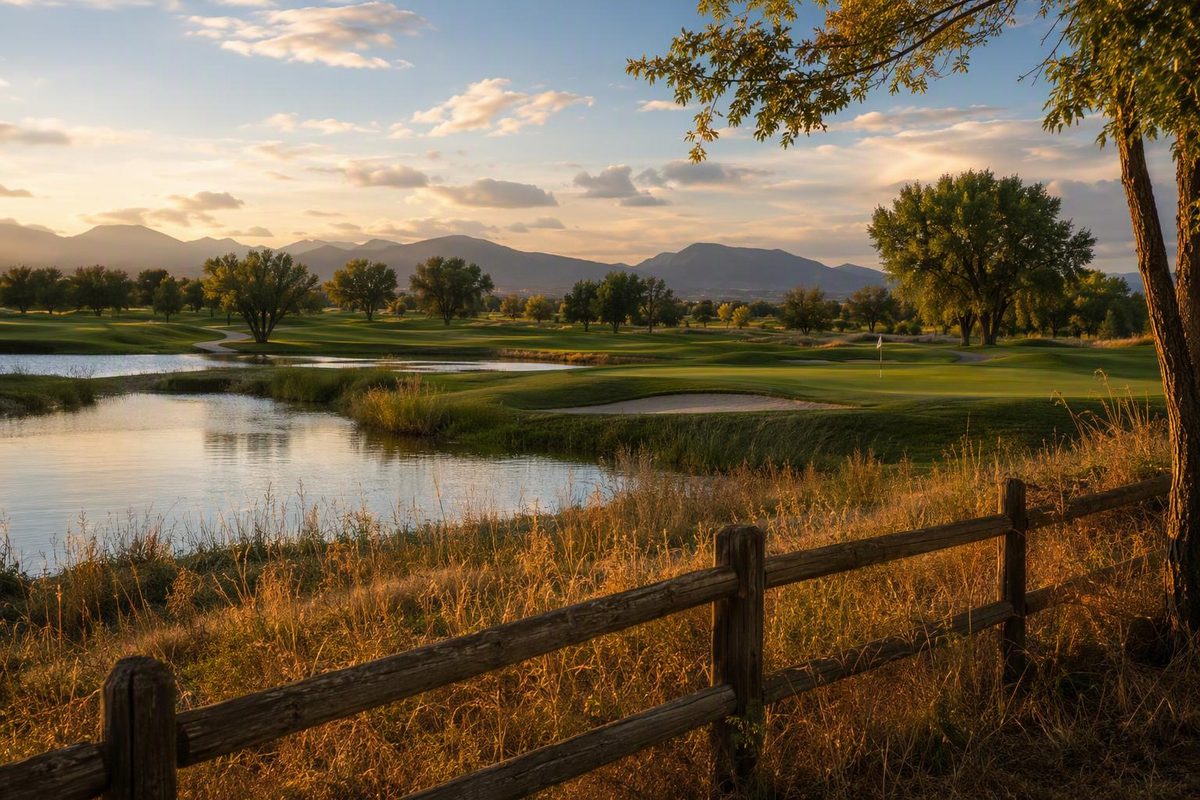
Yes—Eagle Trace Golf Club in Broomfield, Colorado, announced permanent closure effective October 3, 2026. Its official homepage, checked October 4, states: “Eagle Trace will be closing permanently October 3, 2026.” Treat the course as closed when planning a round; an older directory entry or a remaining booking link is not evidence that play continues.
This notice concerns the Broomfield course, not another golf club with the Eagle Trace name. If you reached the notice while checking a reservation, verify that your confirmation identifies the same course before taking action.
Choose your booking situation to see the next step and what remains unconfirmed.
Choose Your Next Step
Eagle Trace announced permanent closure effective October 3, 2026. Remaining booking links do not confirm availability.
Reopening date: — (not announced in the cited information).
| Situation | Action And Uncertainty |
|---|---|
| New round | Book elsewhere. A reopening effort is not confirmed availability. |
| Reservation | Contact the club before traveling; request written cancellation and payment handling. |
| Payment or balance | Ask about your specific prepaid round, membership balance, credit or event deposit. Refund terms: —. |
Sources: club notice (checked October 4, 2026) and CBS Colorado. — means unconfirmed, not zero.
October 3 Is The Announced Closure Date
The date golfers should use is October 3, 2026. That is the permanent-closure date published by the club, and CBS Colorado’s closure report corroborated it. The notice is not an announcement of a temporary maintenance shutdown or a scheduled seasonal break.
The distinction matters if you have seen coverage mentioning November 2026. That later date refers to an arrangement allowing continued use of irrigation water, not to the club’s final announced day of operation. A golfer should not interpret it as permission to book or play through November.
The available information does not establish the time of the final round, whether every reservation on October 3 proceeded, or how the club handled individual bookings around the closure. If your question concerns a particular tee time rather than future availability, ask the club about that reservation directly. The public notice answers the course-status question, not the transaction-specific one.
| Date | Reported Event | Meaning For Golfers |
|---|---|---|
| 2024 | Irrigation water rights sold | Background to the water issue |
| September 2026 | Water-rights arrangement reported | Earlier context, not a closure date |
| October 3, 2026 | Announced permanent closure | Do not plan new play |
| November 2026 | Reported lease-back endpoint | Not an extension of operations |
These dates describe different events. Putting them in sequence helps explain why an earlier article could discuss November while the course’s own notice gives October 3. There is no need to choose between the two dates: one concerns water access under the reported arrangement, and the other concerns the announced closure.
Drought And Water Rights Explain The Closure Background
The club’s closure notice attributes the decision to Colorado’s drought. It says very little water remained available and staff could no longer maintain the course. That is the club’s stated explanation for ending operations.
There is also a longer-running irrigation issue. Colorado AvidGolfer’s September 2026 report says the owner sold the irrigation water rights to a local investment group for $4 million in 2024. A lease-back arrangement allowed the course to continue using the water until November 2026.
The $4 million figure is the reported price of the irrigation water rights. It should not be described as the sale price of the golf course, a reopening budget, or money set aside for customer refunds. The report supports the water-rights transaction and its stated amount, not those other interpretations.
Likewise, the lease-back endpoint does not establish that enough usable water was available to maintain playing conditions until then. The club’s later notice says that staff could no longer maintain the course. The sources therefore describe both a contractual water-access timeline and the club’s explanation of the conditions that led to closure.
For a golfer deciding whether to travel, the precise division between drought conditions and the earlier rights transaction does not change the immediate answer. The operator announced permanent closure. Neither the reported lease-back arrangement nor speculation about future water access supersedes that notice.
Booking Links Do Not Establish That The Course Is Open
As of October 4, the official website still displayed “Book a Tee Time” links alongside the permanent-closure notice. That combination can be confusing, particularly if you enter the site through a booking page rather than the homepage.
A booking link is not confirmation that the course remains playable. The published closure notice is the relevant statement about operations. Do not make a new reservation simply because a button remains visible, or assume that an old confirmation overrides the later announcement.
The same caution applies to a saved directory listing, a search result, or a booking link you used before the closure. None of those, by itself, establishes current availability at Eagle Trace. Use them to find your reservation details if necessary, not as a reason to travel to the course.
There is no need to complete a test purchase to investigate whether play continues. It could leave you with another transaction to resolve without answering the underlying question. For your next round, choose a different course and confirm availability through that course’s own booking service.
If someone tells you Eagle Trace is still accepting golfers, ask for confirmation from the operator that specifically addresses play after the announced closure. A visible booking button, an older tee-time email, or the November water-access date is not that confirmation.
Existing Reservations Need A Specific Cancellation Answer
If you already have a reservation, contact the club through its official website before traveling. Identify the booking by its confirmation number, scheduled date, and the name used to reserve it. Ask whether that specific reservation has been canceled and request the answer in writing.
Keep the question narrow enough to resolve your booking. “Is the course closing?” is already answered by the public notice. “What is the status of my reservation, and what happens to the payment attached to it?” asks for the information the notice does not provide.
If other players are included in your booking, tell them about the closure rather than allowing the original confirmation to stand as the group’s plan. Before arranging a replacement round, establish who will make the new reservation and whether everyone still intends to play. This avoids treating a substitute booking as an automatic transfer from Eagle Trace.
Keep your original confirmation, any receipt, and the correspondence about cancellation together. Those records identify what was booked and what the club or booking service subsequently told you. They are more useful for resolving a particular transaction than a general news report about the closure.
If you paid through another service, contact that service about the transaction too. Explain that the course has announced permanent closure and provide the reservation details. Do not assume the service has canceled your booking merely because the course’s homepage has changed.
Refund Terms And Unused Balances Remain Unconfirmed
The closure notice does not state refund terms. It therefore does not establish an automatic refund, a processing timetable, or a transfer of unused value to another course. The available reporting also does not supply a confirmed amount that customers will recover.
For a prepaid round, ask about the exact payment attached to the reservation: whether it will be refunded, who will process it, and what written confirmation you will receive. These are questions to put to the party handling your transaction, not promises made by the closure announcement.
For a membership balance or unused credit, describe the balance as it appears in your records. Ask whether the club recognizes that amount and how it proposes to handle it. A permanent-closure notice does not, by itself, explain the terms of a membership account or the treatment of every kind of credit.
Do not treat the reported $4 million water-rights sale as evidence that funds are available for your payment. That figure concerns a different transaction in 2024. It does not establish a customer-refund policy or the current financial position of the club.
If a refund or transfer is offered, request the details in writing before relying on it. For a transfer, the useful details are the receiving course, the value recognized, and any conditions on redemption. No such arrangement is confirmed in the closure notice, so it should not be presented as an available option unless the relevant parties confirm it for you.
A written request can be straightforward: “Please confirm the cancellation of reservation [confirmation number] and explain how the payment or unused credit shown on my receipt will be handled.” Replace the bracketed text with your actual record; do not send account or payment details through an unverified contact channel.
Event Deposits Need More Than A Course-Status Reply
An event deposit raises a separate practical issue from an ordinary tee time. If you arranged an outing or another event at Eagle Trace, ask the club to address that agreement specifically. Include the event date, the booking reference if there is one, and the payment record.
Request written confirmation of whether the event is canceled and how the deposit will be handled. If your agreement includes other paid items, identify them rather than assuming a response about golf also resolves every part of the booking. The closure notice does not set out event-specific cancellation or refund terms.
Keep the original agreement and subsequent correspondence together. If another company handled your event booking or collected the payment, contact it about its role in resolving the transaction. The public announcement establishes the course’s stated operating status, but it does not identify who is responsible for every event-related payment.
Do not announce a replacement venue as a confirmed transfer until the new venue has accepted the event and its terms are clear. Booking elsewhere and resolving the original deposit are separate tasks. The available sources do not establish an arrangement linking Eagle Trace reservations to another course.
Reopening Efforts Are Not A Reopening Announcement
According to CBS Colorado, neighbors are pursuing water access and potentially a new owner or operator. That describes an effort to find a way forward, not a confirmed return to play.
There is no announced reopening date in the information cited here. Nor does that reporting establish a new operator, restored irrigation, a reservation window, or an agreement to honor existing credits. Those details should remain unconfirmed rather than being inferred from community interest.
“Permanent closure” describes the club’s announcement. It does not require predicting every possible future use of the property, and it does not turn an effort to reopen into an operating golf course. For current booking decisions, the announced closure remains the controlling information.
If a reopening is later announced, look for a statement from the operator identifying when play resumes and how reservations will be accepted. Anyone holding an old credit would also need a separate answer about whether it is recognized. A future opening date alone would not settle that question.
For now, book your next round elsewhere. If Eagle Trace already holds your reservation, payment, membership balance, or event deposit, pursue a written answer about that specific item while treating the Broomfield course as closed.